Age Is Just A Number: Climbing For Older Adults And Seniors

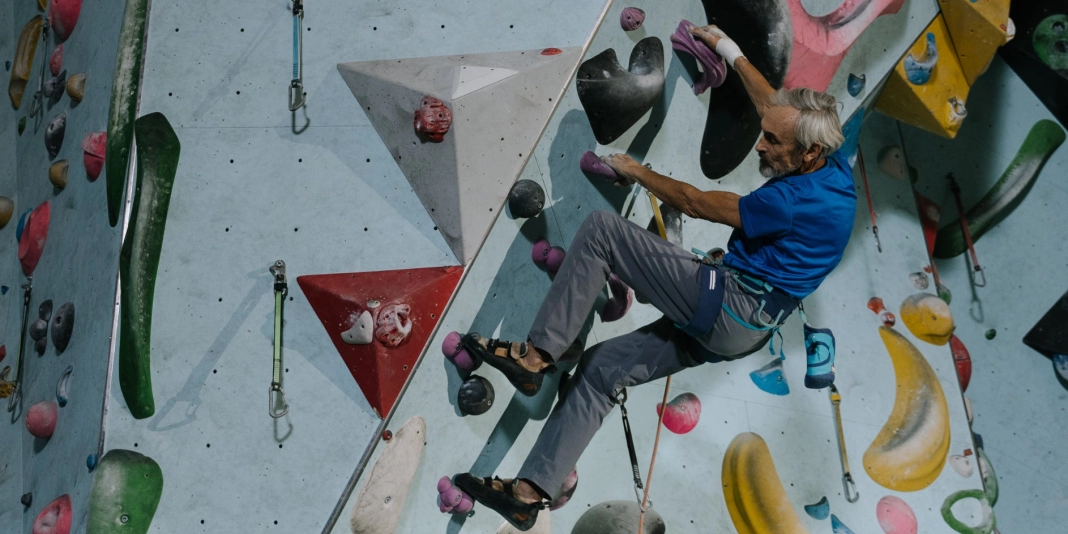
Curious if climbing is possible as you age? The answer is a resounding YES! Let's debunk the myth that climbing is only for the young and explore the incredible world of climbing for older adults and seniors. From the benefits of senior climbing to essential tips for safe climbing, we'll equip you with everything you need to embrace the thrill of the vertical journey.
Climbing in Your Golden Years: Unveiling the Possibilities
Age should never be a barrier to pursuing your passion for climbing. As you age, the focus might shift, and your climbing journey may evolve, but the exhilarating sense of achievement and connection with the rock remains unparalleled. In fact, climbing can be an excellent way for older adults to stay active, build strength, and maintain a strong and resilient body.
Benefits of Climbing for Older Adults
Climbing offers a myriad of benefits for seniors, extending beyond just physical fitness. It's a mentally engaging activity that challenges your problem-solving skills and enhances cognitive function. Additionally, climbing fosters a strong sense of community and camaraderie among climbers of all ages, making it a perfect social activity.
Climbing at Older Ages vs. Younger Ages: Finding Balance and Joy
As you climb through the years, it's essential to adapt your approach and listen to your body. Climbing at older ages may require more attention to warming up and incorporating rest days to allow for recovery. But with age comes wisdom and experience, which can lead to greater finesse and precision on the wall.
Tips for Safe Climbing in Your Golden Years
Safety is paramount at any age, and climbing is no exception. As you venture into the world of senior climbing, remember to consult with your healthcare provider to ensure climbing is a suitable activity for your individual health and fitness level. Invest in high-quality climbing gear, practice proper techniques, and consider taking climbing courses tailored to older adults.
Embrace the Journey: Climbing for Elderly Individuals
Climbing for elderly individuals is a testament to the boundless spirit of adventure and determination. It's never too late to start or continue your climbing journey. Each ascent becomes a celebration of life's achievements, and every new climbing challenge brings newfound strength and resilience.
Conclusion
Age is merely a milestone in your climbing journey, not a limit. Climbing for older adults and seniors is a rewarding and fulfilling experience that offers physical, mental, and social enrichment. With the right mindset, proper preparation, and safety measures, you can continue to climb and relish the joy of the vertical world. Remember, it's not about competing with the young, but embracing the beauty of your own climbing adventure.
Commonly Asked Questions
Is climbing suitable for older adults?
Absolutely! Climbing is a versatile sport suitable for individuals of all ages, including older adults and seniors. Many climbing gyms offer tailored programs and courses to accommodate the needs of older climbers, making it accessible and enjoyable for everyone.
Can climbing help improve physical fitness for seniors?
Definitely! Climbing engages various muscle groups, including the core, arms, and legs, promoting strength, flexibility, and balance. Regular climbing sessions can contribute to improved overall physical fitness and help seniors maintain an active and healthy lifestyle.
Is climbing safe for elderly individuals with medical conditions?
While climbing can be a safe and enjoyable activity, it's essential for elderly individuals with medical conditions to consult with their healthcare provider before engaging in climbing or any physical activity. A healthcare professional can assess individual health needs and provide guidance on how to approach climbing safely.
Are there any age-specific climbing training programs?
Yes, many climbing gyms and organizations offer age-specific training programs for older adults. These programs are designed to address the unique needs and goals of senior climbers, focusing on building strength, technique, and confidence on the wall.